
Certificate of Insurance for Bounce House Rentals in Acadiana: What Schools, Churches and Parks Require
If you are booking inflatables for a school fun day, a church fall festival, or a company picnic, someone on the venue side is eventually going to ask you for a certificate of insurance. For a lot of first-time event coordinators in Acadiana, that request lands like a pop quiz nobody studied for. What exactly are they asking for? Who provides it? And how long does it take?
The good news: a certificate of insurance for a bounce house rental is routine paperwork, not a hurdle. Your rental company issues it, the venue files it, and the event goes on. The bad news is that people usually ask for it three days before the event, which is exactly when it becomes stressful.
This guide explains what a certificate of insurance actually is, which Acadiana venues typically require one, what information you need to gather before you request it, and the small mistakes that cause a venue to reject the document and send you back to square one. Whether your event is at a school in Youngsville, a church hall in Maurice, or a public park in Lafayette, you will know exactly what to ask for.
What Is a Certificate of Insurance?
A certificate of insurance — usually shortened to COI — is a one-page summary of an insurance policy. It is not the policy itself. It simply confirms that coverage exists, who it covers, how much it covers, and when it expires.
When a school or park asks a rental company for a COI, they are confirming that the company carries general liability coverage and that the venue will not be left exposed if something goes wrong on their property. It is the same document a caterer, a DJ, or a food truck vendor would be asked to provide.
Two phrases come up constantly, and they mean different things:
- Certificate holder — the venue receiving the document. This is who the certificate is addressed to.
- Additional insured — a venue that is actually added onto the policy as a covered party, not just listed as a recipient. Many schools and municipalities specifically require this wording.
If a venue asks to be named as an additional insured and the certificate only lists them as the certificate holder, it will usually get bounced back. That one distinction causes most of the last-minute scrambling we see.
Which Acadiana Venues Usually Ask for One
Schools and School Districts
Public and private schools across Lafayette Parish and Vermilion Parish typically require a COI before inflatables come onto campus for a field day, fall festival, or end-of-year celebration. Requests usually route through the school office or the district’s risk management contact, and approval can take a week or more. If you are planning a school event, start this conversation as soon as the date is set.
Churches and Parish Halls
Churches vary widely. Some ask for nothing beyond a handshake; larger parishes with their own facilities committee often want a COI on file naming the church as additional insured. If you are organizing a church event, VBS week, or a fall festival in Broussard or Carencro, ask the office early rather than assuming.
City Parks and Public Facilities
Public parks are the most consistent about paperwork. If your event is at a Lafayette park pavilion or recreation facility, reservations run through the city’s Parks, Arts, Recreation & Culture department, and inflatables generally trigger both an insurance requirement and questions about power and anchoring. Requirements differ between Lafayette, Youngsville, Scott, and Breaux Bridge, so confirm with the specific facility rather than relying on what a friend did last year.
Businesses and Corporate Campuses
Company picnics and grand openings on commercial property almost always involve a facilities or HR contact who needs the document for their own file. If you are planning a corporate event, ask that contact for their exact requirements in writing — it saves a revision cycle later.

What to Gather Before You Request a COI
A rental company can turn a certificate around quickly, but only if you hand over complete information. Have these ready:
- The venue’s exact legal name. “Lafayette Parish School System” is not the same as the individual school’s name, and the wrong one gets rejected.
- The venue’s mailing address as it should appear on the document.
- The event date and location address, including the specific field, pavilion, or building.
- Whether they need to be named as additional insured — ask this directly, in those words.
- Any required coverage limits. Many venues request a specific per-occurrence amount; get the number from them rather than guessing.
- Where to send it — a person’s name and email, not just “the office.”
Five minutes of gathering on the front end saves days of back-and-forth. If you are unsure what your venue wants, forward their facility-use form to us and we will read it with you.
Common Mistakes That Delay Approval
- Waiting until the week of the event. School districts in particular may take several business days to review and file.
- Requesting it for the wrong entity. A COI naming the PTO when the district needs to be named will be sent back.
- Assuming your homeowner’s policy covers it. It does not cover a commercial inflatable operated at a public venue.
- Booking the unit before checking venue rules. Some facilities restrict stake anchoring, which changes which units can be used.
- Forgetting power. Insurance paperwork gets all the attention while the nearest outlet is 300 feet away. Confirm power and water access at the same time you confirm insurance.
On the safety side, the U.S. Consumer Product Safety Commission maintains consumer guidance on constant air inflatable play devices, including anchoring and wind considerations. Venues often reference these same concerns when they review an event request, so it is worth reading before your walkthrough.
Frequently Asked Questions
Do I need a certificate of insurance for a backyard birthday party?
Almost never. A COI is a venue requirement, not a legal one. If you are hosting a birthday party in your own yard in Maurice or Abbeville, no paperwork is involved.
Who provides the certificate — me or the rental company?
The rental company. You supply the venue’s details, and we issue the document. You should never be asked to buy separate coverage for a standard rental.
Does it cost extra?
Providing a standard certificate is part of servicing the booking. If a venue requires unusual endorsements or wording, call us and we will tell you upfront whether anything changes.
How long does it take to get one?
Issuing it is fast. The slow part is venue review. Give yourself two to three weeks for a school or municipal facility, and at least a week for a church or business.
Do HOA neighborhoods and subdivision common areas require one?
Frequently, yes — subdivision common areas and clubhouses are private property with their own rules. Check with your board before booking a unit for a block party.
Does the certificate change which inflatable I can rent?
Not directly, but venue rules might. A facility that prohibits ground stakes will affect whether certain obstacle courses or tall water slides can be safely set up there.
What if my venue never asks for one?
Then you are done. Many private homes, farms, and country properties around Maurice and Abbeville have no requirement at all.
Can I get a certificate for a multi-day event?
Yes. Give us the full date range when you request it so the coverage window on the document matches your event.
Book With Confidence Anywhere in Acadiana
Paperwork should never be the reason a party gets scaled back. We handle certificates of insurance for school, church, park, and corporate events across Lafayette, Maurice, Youngsville, Broussard, Abbeville, Carencro, Breaux Bridge, and Scott — and we would rather sort it out six weeks early than six hours before setup.
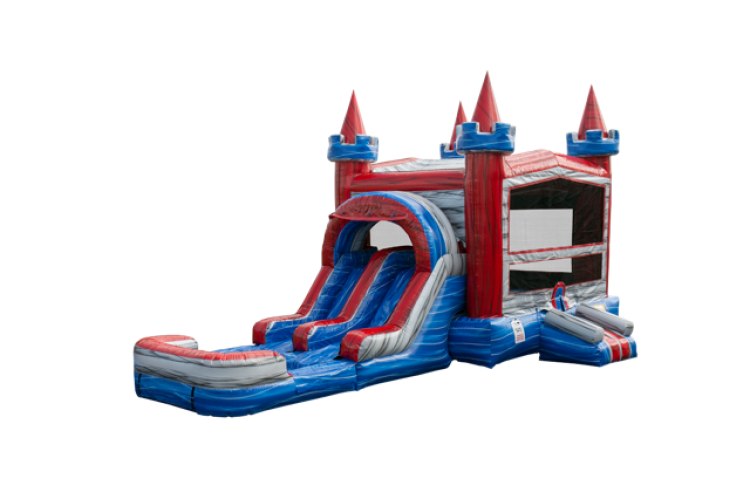
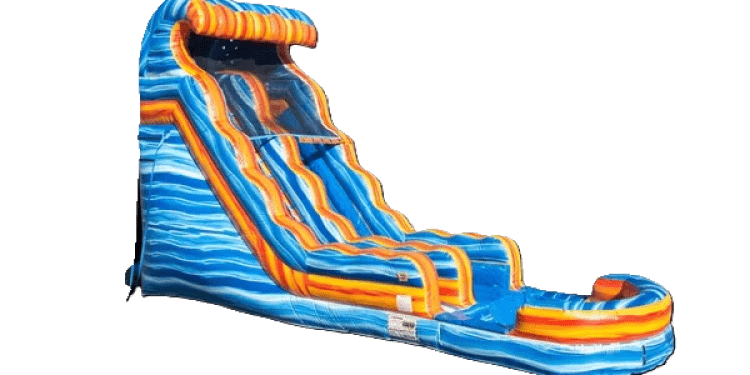
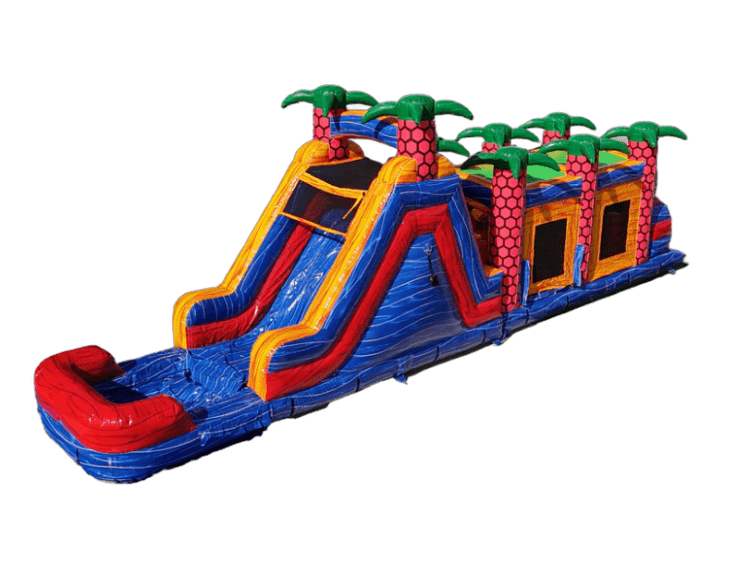
Browse our bounce houses, water slides, and obstacle courses, then check availability and book your date online. Questions about a venue’s requirements? Call or text (337) 469-4669, or read through our FAQs — and tell us the venue name when you reach out so we can get the certificate right the first time.
References
- U.S. Consumer Product Safety Commission — Constant Air Inflatable Play Devices
- Lafayette Consolidated Government — PARC Reservations